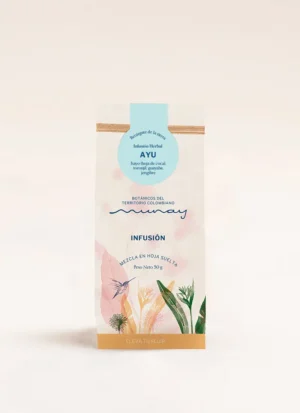
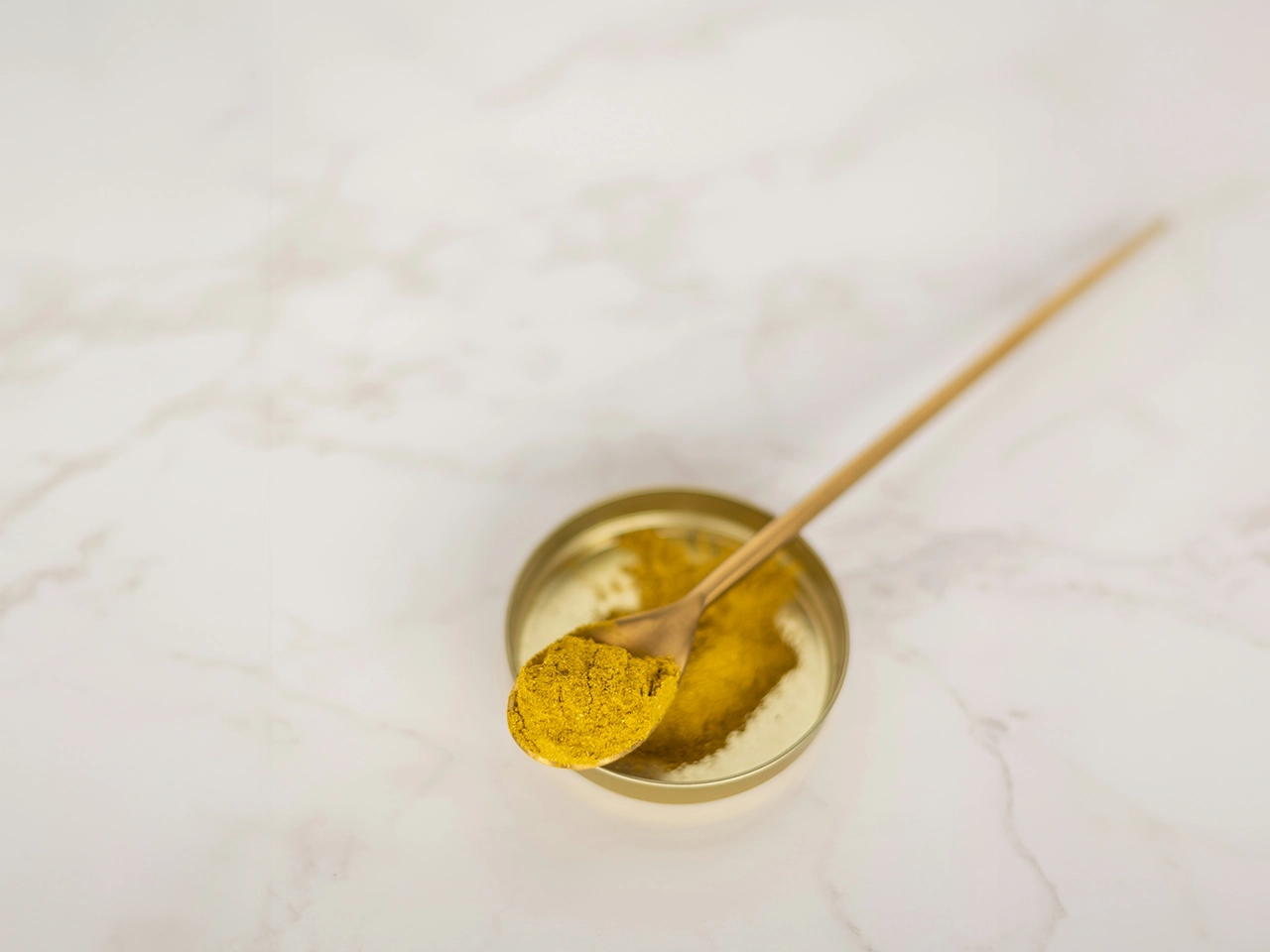
Kkhoka Kkhoka, means shrub and is a word of Aymará origin, an ancestral people who still inhabit the valley around Lake Titicaca today. It is believed to have Amazonian origins. It is said that the Tihuanacos, ancestors of the Aymarás, discovered several of its uses and gradually adapted it to the high Andean mountains. Today Coca grows from sea level to 2000 meters. There are records on the north coast of Peru of its sacred use from 2,500 to 1,800 BC. It appears to be a plant that has accompanied humanity for more than 4,500 years. In Bolivia it was used in mummification processes, replacing intestines with Coca leaves and aromatic herbs. During the conquest of America, the use of Coca expanded from Bolivia to Central America. Coca was the currency of exchange even during colonial times.
During the conquest and colonial period, the Catholic Monarchs, the Church and the Inquisition tried to prohibit Coca consumption. However, they approved it again when they realized its great value for the hard work of Mining, for the well-being of the people, for long military campaigns… During the twentieth century, after the first cocaine boom, restrictions and controls on the cultivation and use of the plant increased, especially in Colombia.
After the second cocaine boom in the 60s and 70s, they began to plant Coca where it had never been planted before, clearing rainforest in the Amazon and the Eastern Plains, and many forests in the Andean region and the Sierra Nevada. Cocaine is an alkaloid present in the biochemical composition of the Coca leaf. The drug called Cocaine is a chemical mixture that contains this alkaloid. This back-and-forth of prohibition is still part of our society and political and economic system. The demonization of this plant still seems greater than the recognition of its medicinal and healing virtues. This has not only resulted in erosion of ancestral knowledge but in complete destruction of jungle areas, loss of fauna and flora, poisoning of waters and crimes.
For the communities of the Amazon Rainforest and the Andes, the Coca leaf has been and is a medicinal, everyday and mystical plant. Its medicinal uses span altitude sickness, indigestion, diabetes, obesity, childbirth… In the emotional world it helps eliminate sadness and lighten other adverse conditions. It also provides vigor and vitality, helps concentration and promotes dialogue.
This plant is offered to the vibrant energies of the territory; to mountains, rivers, lakes, rocks and sacred places. It helps to better attune to the energy of the surroundings and to communicate with spirits of nature. It is also a plant of Vision; it allows you to see clearly past, present and future. Coca is a ceremonial plant present in baptisms, weddings, burials, payments, rituals and celebrations.
Even today the greeting ritual is the exchange of Coca leaves, both for the Quero indigenous people near Cusco, and for Koguis and Arhuacos in the Sierra Nevada of Santa Marta. The consumption of the leaf in each community varies. Although botanically three main varieties of Coca are identified, the indigenous people of Vaupés say there are more than ten. Their identification is based on differences in ecological calendar cycles, appearance, texture and taste.
In the Amazon, Coca is taken as Mambe, a pulverized mixture of roasted coca, with yarumo leaves, mountain grape or caimaron. In the Sierra Nevada, Coca leaves are dehydrated in a wooden tray or clay pot over direct fire. They are infused in the mouth with the lime of toasted shells that the Kogis and Arhuacos carry in their poporos. In Bolivia and Peru they “chancan” the Coca leaf, often in kintos (3 leaves at a time) offering them and sharing with them and with the territory their breath.
Sensory characteristics:
Warm, dry, neutral, bitter, sweet
Uses:
Infusion, food, baths, fomentations, poultices, tincture
Dosage and frequency:
Infusion: 3 – 5 cups per day
Tincture: 7 to 11 drops, 3 times a day
Contraindications:
May affect sleep; if sensitive, take it before 4pm.