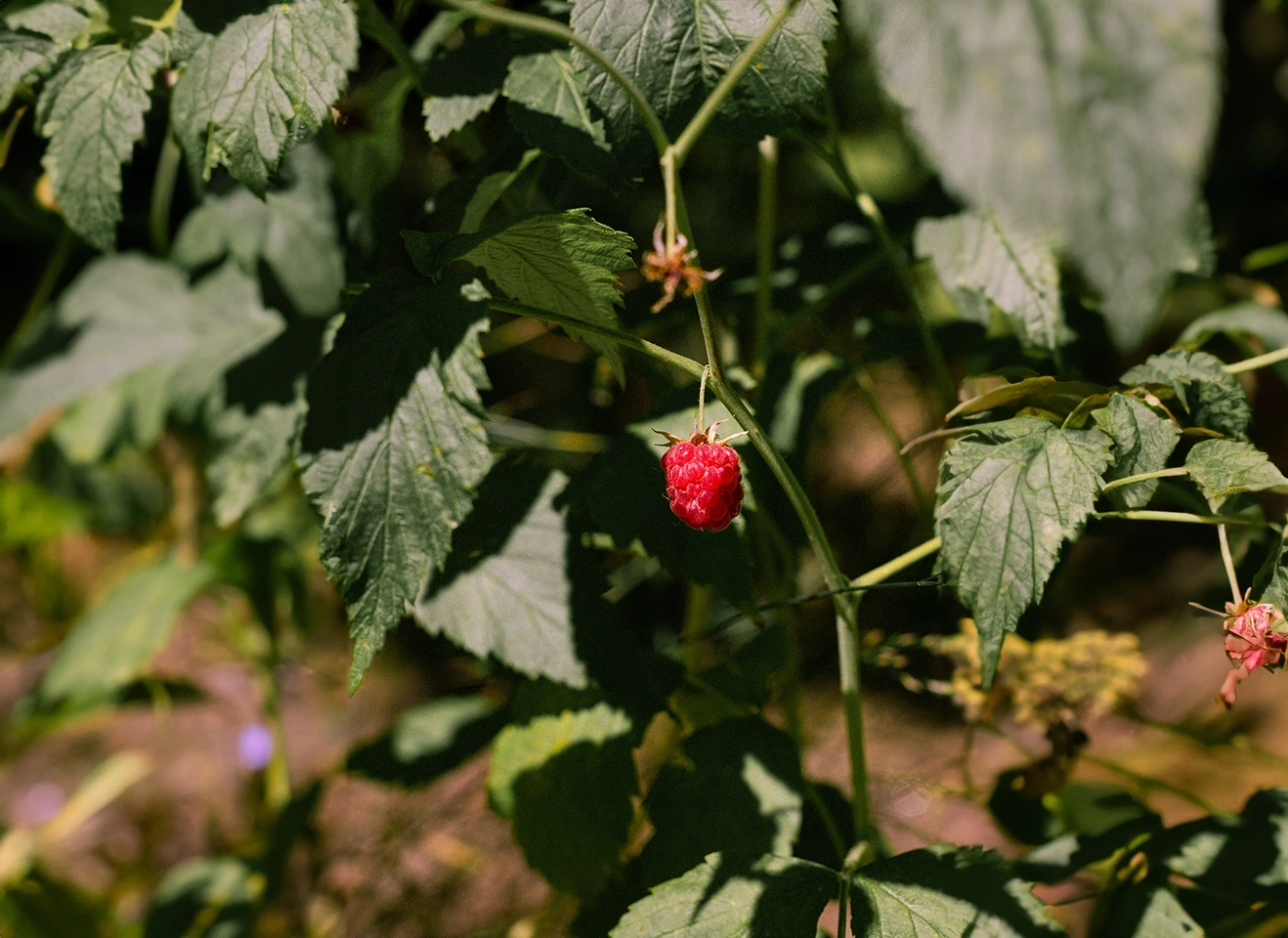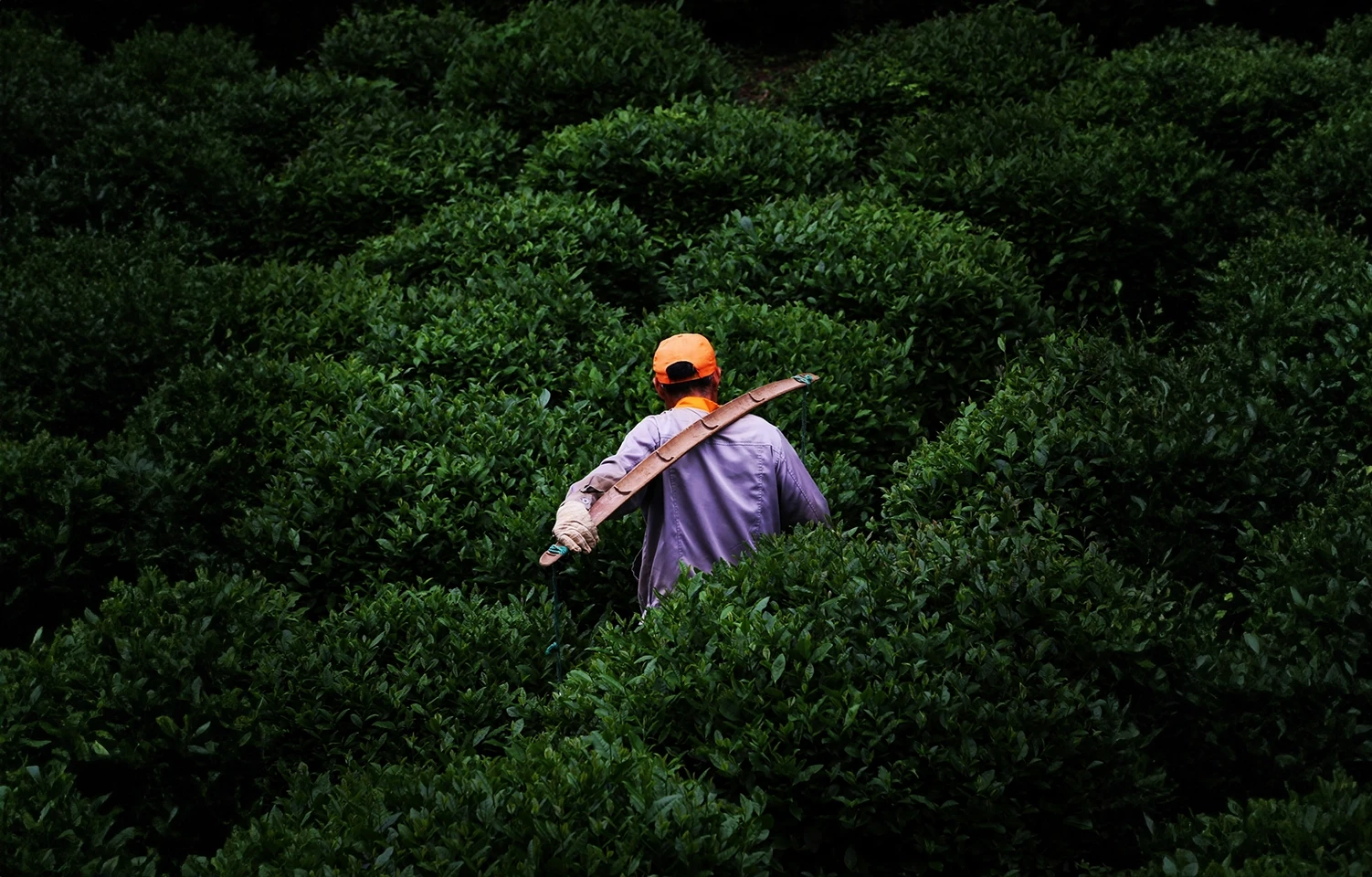
Tea is the infusion of a plant called Camellia Sinensis. It’s incredible to think that all the tea we drink; white, green, black, oolong, pu-erh, comes from the same plant that goes through different processes.
In its origin, more than 5000 years ago, it must have truly been the same single plant varietal, however over the years, due to human manipulation, cultivation in different regions and nature itself – this plant, Camellia Sinensis, has resulted in hundreds of different varietals that bring organoleptic characteristics to the different types of tea made from its leaves.
There are two main varieties of Camellia Sinensis that are traditionally used to process Tea, but in reality there are many others that have evolved throughout the shared history of tea and humanity. The China, typical of cold and mountainous climates, present in Darjeeling (India), China, Japan and Taiwan. The Assamica variety is cultivated in tropical regions of India, Sri Lanka and Kenya. However both varieties have spread throughout much of the world. Camellia Sinensis has shown its wonderful ability to adapt to a diversity of terroirs and topographic, geographic and climatological conditions. This adaptation is reflected in hundreds of ways of processing Tea and in the diversity of sensory profiles that the same plant presents to us.
Today there are more than 500 main hybrids and possibly many more that tea art masters keep secret.
The history of humanity’s communion with this plant begins more than 5000 years ago. What is really known lies between the clouds of myths and legends. The origins of Tea may lie over the misty forests that Taoist hermits roamed.
It is said that one of them, Shennong, was the one who identified it. Shennong translates to Divine Farmer. They say he was a man, part human and part nature, who would enter forests and mountains to learn about plants. They say he had horns, like goats, and wore a cloak of leaves that changed with the seasons. Shennong could create antidotes with his metabolism and it is said that his stomach became transparent so he could see the effects of the plants he studied.
One day during one of his walks through the misty forests, Shennong discovered Tea by accident when he drank hot water that had been infused by a leaf of Camellia Sinensis that had fallen into his cup. He entered a trance, felt the roots, ancestral wisdom and connection with all beings of nature.
There is another version in which Shennong takes a lethal poison that he could not transform with his internal alchemy. On the verge of death, he asks to learn one last lesson. He sees a tree he did not know, Tea, and takes three leaves, chews them and meditates. He feels how they cleanse him and free him from toxicity. After prayers, pleas and offerings, he dedicates himself to the study of this plant.
Shennong called Tea an elixir of energy, the main guide of all medicinal plants. He brought seeds and seedlings to propagate this tree that carries vitality and medicine.
Shennong is a mythical emperor, to whom herbal medicine, agriculture and civilization are also attributed. He represents ancestral wisdom, shamanic knowledge that has transcended the evolution of Chinese culture. Ancient Taoist sages and shamans would venture into the Himalayan forests in search of tea trees for their spiritual benefits.
The way of Tea spread in the East thanks to Zen Buddhism. Although today tea is a social ritual, its spiritual characteristics, even when not applied on a massive scale, are not entirely forgotten.
Tea is a plant that has been evolving for millennia alongside humanity. Each cup of Tea reminds us of nature’s intention to communicate with us and us with it. It also helps us free ourselves from toxins in body, mind and spirit.
For thousands of years Tea was cultivated and evolved hand in hand with masters in the high mountains of the Himalayas without being part of the financial system. New varietals emerged showing new characteristics, flavors, aromas and vitality.
For some tea refreshes and accompanies, for others it is a hobby or an art. Tea is also a possibility to create time, calm, space. For me tea is medicine and spirituality. It is a lifestyle, of living the beauty of the present moment.
Tea is rich in polyphenols, which are antioxidants. Drinking it daily can help:
Beyond this, it is a wonderful drink for concentrating the mind. Most variations in the way of processing green tea were explored by Buddhist monks, who drank it not only to warm themselves and for its nutritional value but because it is a drink that promotes meditation. The combination of caffeine, which activates, polyphenols, which help concentration and tannins that relax the body and ease tension, create the internal space to enter meditation.