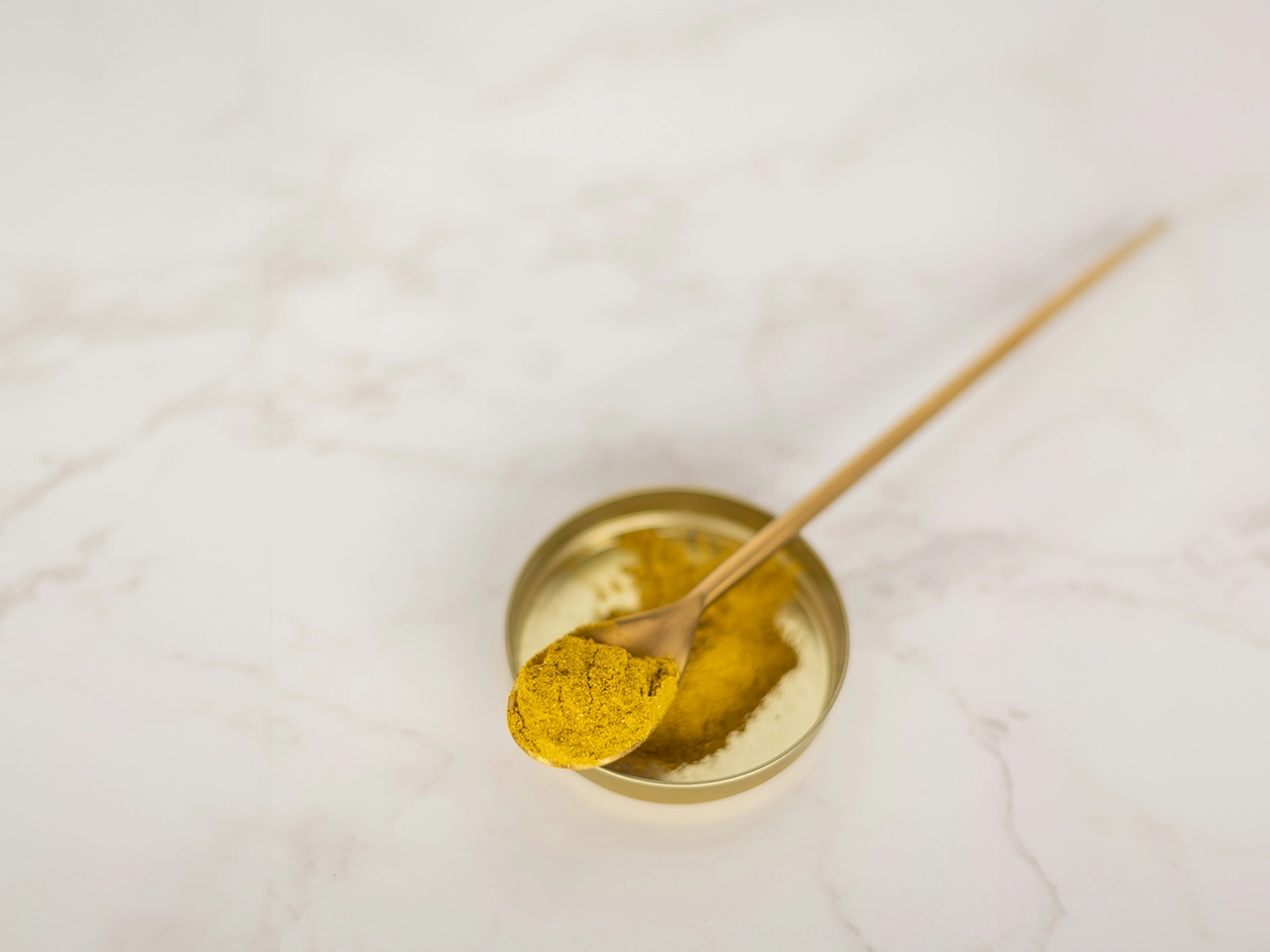
Stimulating and energizing plants
Our body is a varied ecosystem that functions connected to our senses. When we talk about stimulating and energizing plants, we’re almost always talking about plants that generate heat in the body. At a biochemical level, each one has a series of compounds that contribute in different ways.
Most of the plants that help us activate our energy have a long history in traditional medicines, as they also provide us with many other benefits.
Today we want to tell you about two master plants used throughout history that are ideal for stimulating us: coffee and guayusa, and how to use them to obtain great benefits.
Coffee
The Coffee plant is of Ethiopian origin. They say that a shepherd watched how his goats would speed up when they ate the berries from this tree. The preparation method we know today was developed by the Arabs. Today, coffee is so much a part of our daily lives that we sometimes forget it’s a plant with many healing benefits. However, we rarely drink it with awareness and perceive the potential it has. Coffee can improve cognitive functions, prevent neurodegenerative diseases, support heart health, and many other virtues. But not just any coffee. The energetic profile of an organic single-origin coffee, compared to a blended coffee, a pasilla coffee, and their different roast types is very different. There are not only sensory changes but they impact the body in very different ways.
Our recommendations if you want to work with coffee:
Guayusa
Native to the Andean Amazon foothills (Colombia, Ecuador, Peru). Since ancient times, Guayusa has been consumed as an infusion by both indigenous cultures and urban communities. It is associated with popular treatments for diabetes, infertility, and sexually transmitted diseases. It also has anti-inflammatory properties, is diuretic, and energizing. It also helps regulate the menstrual cycle and supports healthy lactation.
In 1756 Friar Juan de Santa Gertrudis Serra wrote:
I have seen the most beautiful tree of all, with a thick trunk, green leaves, beautiful and peaceful. The leaves have a very good flavor, similar to tea, but more no and appetizing. When the leaves are cooked and taken, the drink produces sweating and eliminates phlegm, decreases the burning of the blood and eliminates heaviness, aids digestion with a feeling of satiety, gives strength and removes bad mood. When taken with honey women become pregnant.
The indigenous people of the upper Putumayo in Colombia and later the settlers drank Guayusa as a stimulating infusion. It was taken in the mornings to relieve hunger and to wake up. The Shuar indigenous people take it as an emetic and purgative, as well as a mouth rinse.
Guayusa is also part of rituals in many indigenous communities and is considered a master plant. Both Amazonian and Andean indigenous communities have worked with it. They have mixed it with other plants to enhance its healing power. For example, toasted leaves mixed with barley and honey help cure amenorrhea. The infusion of fresh leaves with lemon and orange is diuretic, counteracts anemia and releases and protects the body from heavy energies. Taitas and Shamans also use it in some Yage preparations and as a master plant in Diets.
To avoid a negative impact on the digestive, nervous, and lymphatic system, look for plants of very good quality and organic—this will ensure their aroma and flavor. It’s also important to know how these interact with our body and our habits. With greater physical activity, caffeine tolerance can be better; however, under stressful situations, the effect of caffeine tends to be adverse. The best way to enjoy plants high in caffeine is under relaxed conditions.
These stimulating plants are better tolerated after having eaten something to avoid digestive symptoms, imbalances in blood sugar and the nervous system. The less frequently you consume them, the more stimulating they feel. Over time and with frequency, the body builds resistance and loses sensitivity.