It’s really incredible to think that the different types of Tea come from the same plant. The Camellia Sinensis. Let’s remember that we call Tea the infusion of Camellia Sinensis that has gone through a transformation process. The process determines whether it is white tea, green tea, black tea, oolong or dark tea.
Below we tell you a little about the three most common types of tea: white tea, green tea and black tea. Remember when buying your loose leaf tea always ask about the origin and harvest time. Always look for plants that come from places conscious of their environment.
We could say that White Tea is the purest way to enjoy the plant. Originally, only the buds (the youngest leaves that are still to be born) were harvested in spring and left to air dry. This delicate white tea you can find as Silver Needles. There are still Tea Gardens where this meticulous harvest and transformation method is still practiced.
Nowadays the processes to achieve white tea are broader. Young leaves are harvested but some that have already opened are also included. It can be Buds, or bud and one leaf, or bud and two leaves. Harvesting is done throughout the year. Drying methods are air drying, or with fans, and sometimes some heat up to 45 degrees. The most common White Tea you’ll find as Pai Mu Dan.
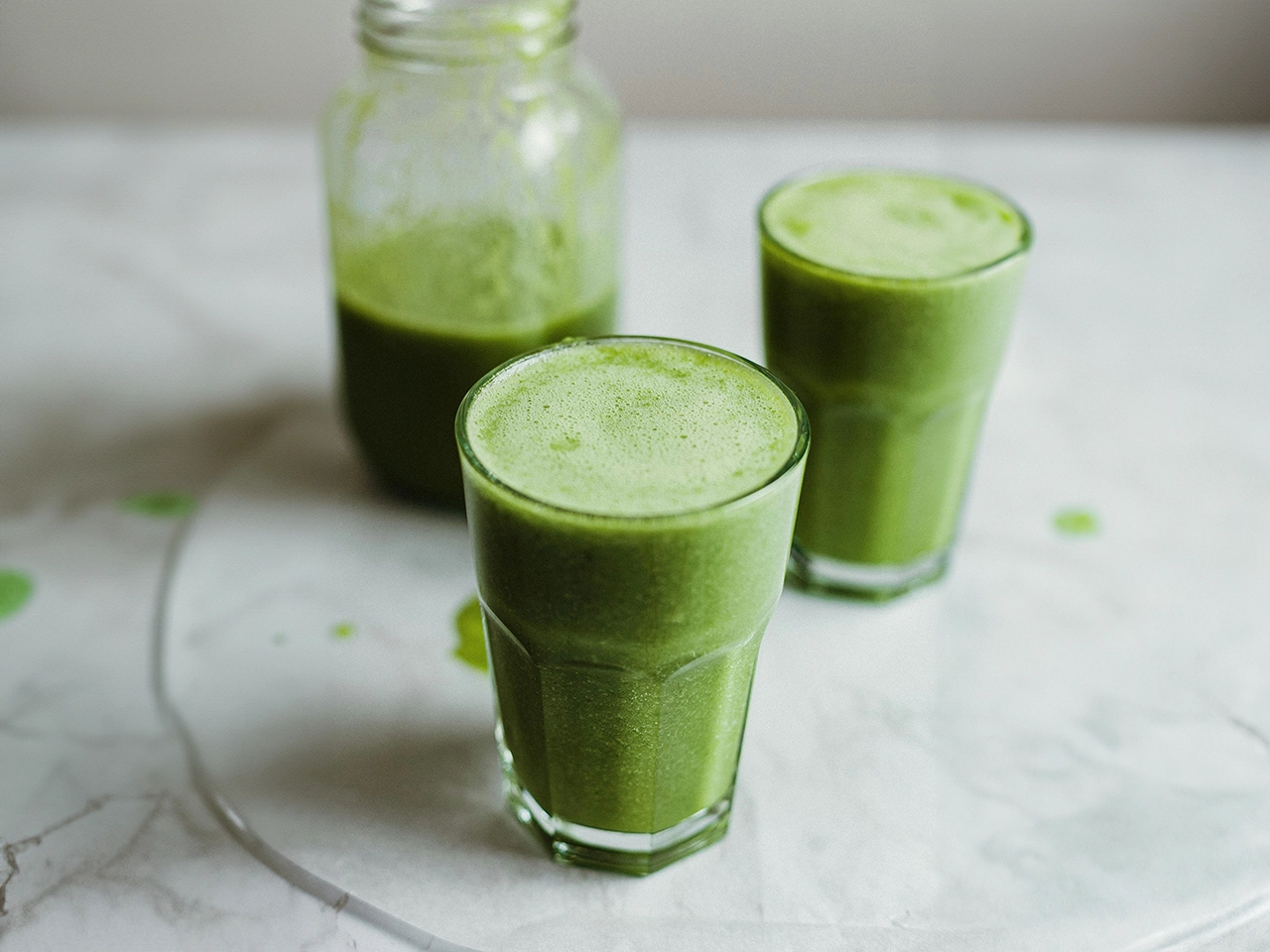
In recent years, Green Tea consumption has increased due to multiple research around its virtues and benefits. What characterizes it is that it is a tea with minimal oxidation thanks to its process. There are thousands of green teas in the world. What brings them together under the same category is that as soon as they are harvested they are taken directly to a space where the leaf is in contact with heat, either with steam or direct heat, to stop the oxidation of the leaf.
Some of the most recognized Green Teas are: matcha, Sencha, Bancha, Gyokuro, Gunpowder, Dragonwell… It’s incredible how they can be so different, having gone through similar processes. However, the terroir, the way of harvest, the way of heat transfer both in stopping the oxidation and in the drying, the way of rolling; all these variables determine the sensory and energetic profile of a Tea.
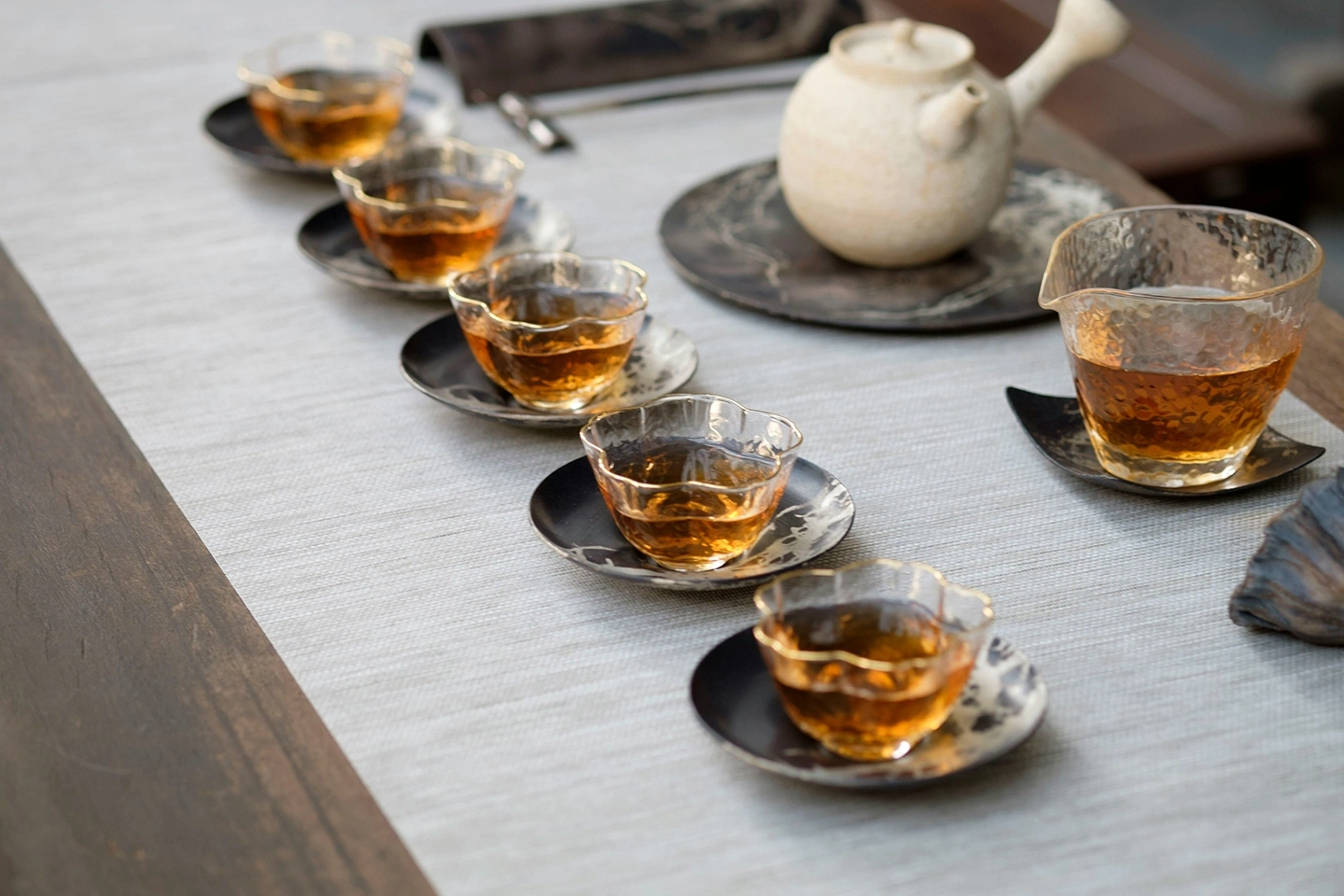
Black Tea is a classic. It was the first type of tea to reach the West through Dutch ships. In China it was considered a tea that had been burned, which is why they sold it. It was also the Tea that best withstood long voyages. In Europe it began to be consumed as medicine. In France they combined it with milk and sugar to avoid astringency and bitterness, and this beverage began to become popular. In the United Kingdom the Monarchy adopted it as a daily ritual with the traditional English Tea at 5pm and later it became popular among all social classes.
What characterizes Black Tea is that the leaf goes through a more extended oxidation process. The harvest, ideally of two leaves and a bud, is taken to withering beds where the leaves are massaged and come into contact with oxygen and begin to oxidize. Once they reach an ideal state they are dried with direct heat and rolled.
We can try Exquisite Black Teas originating from different regions in Sri Lanka, India, China, Colombia, and even Japan. In China they call it Red Tea because of the color of the liquor.