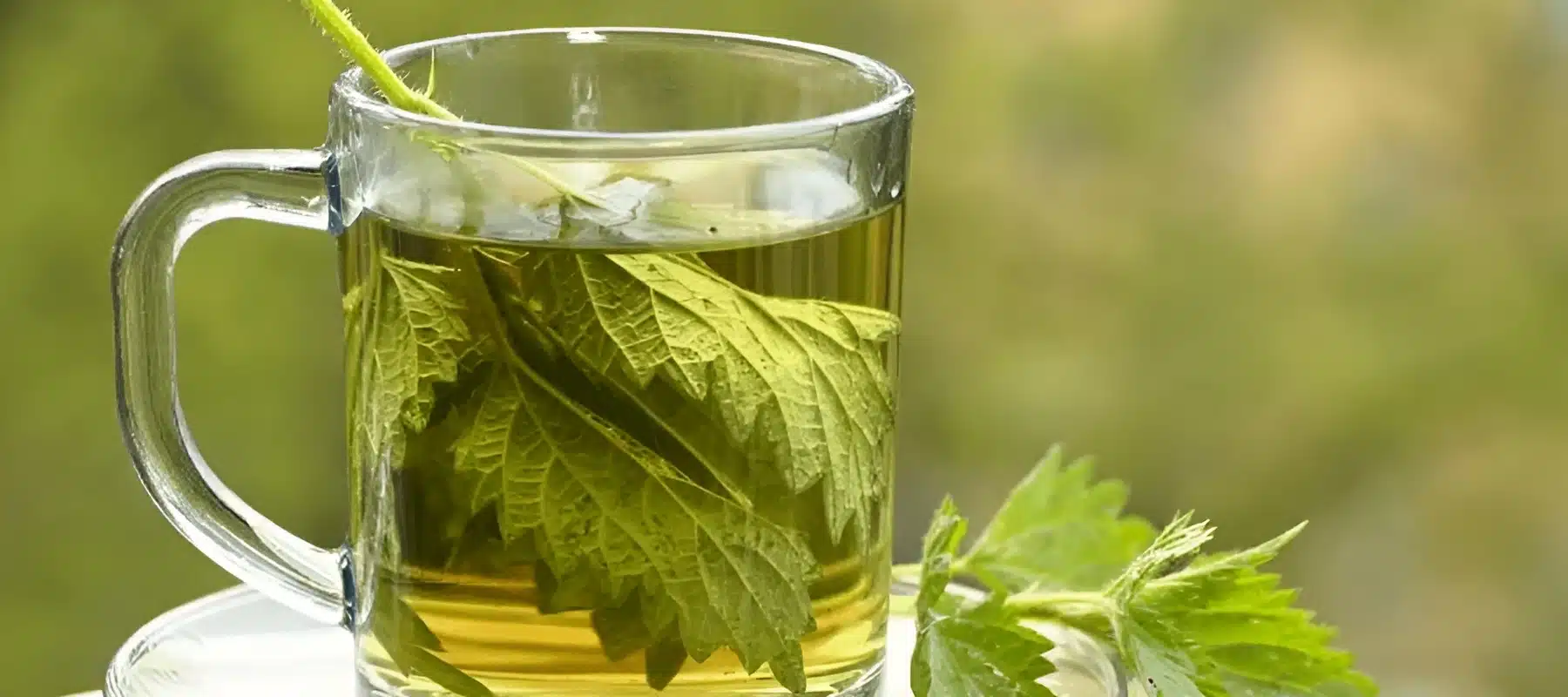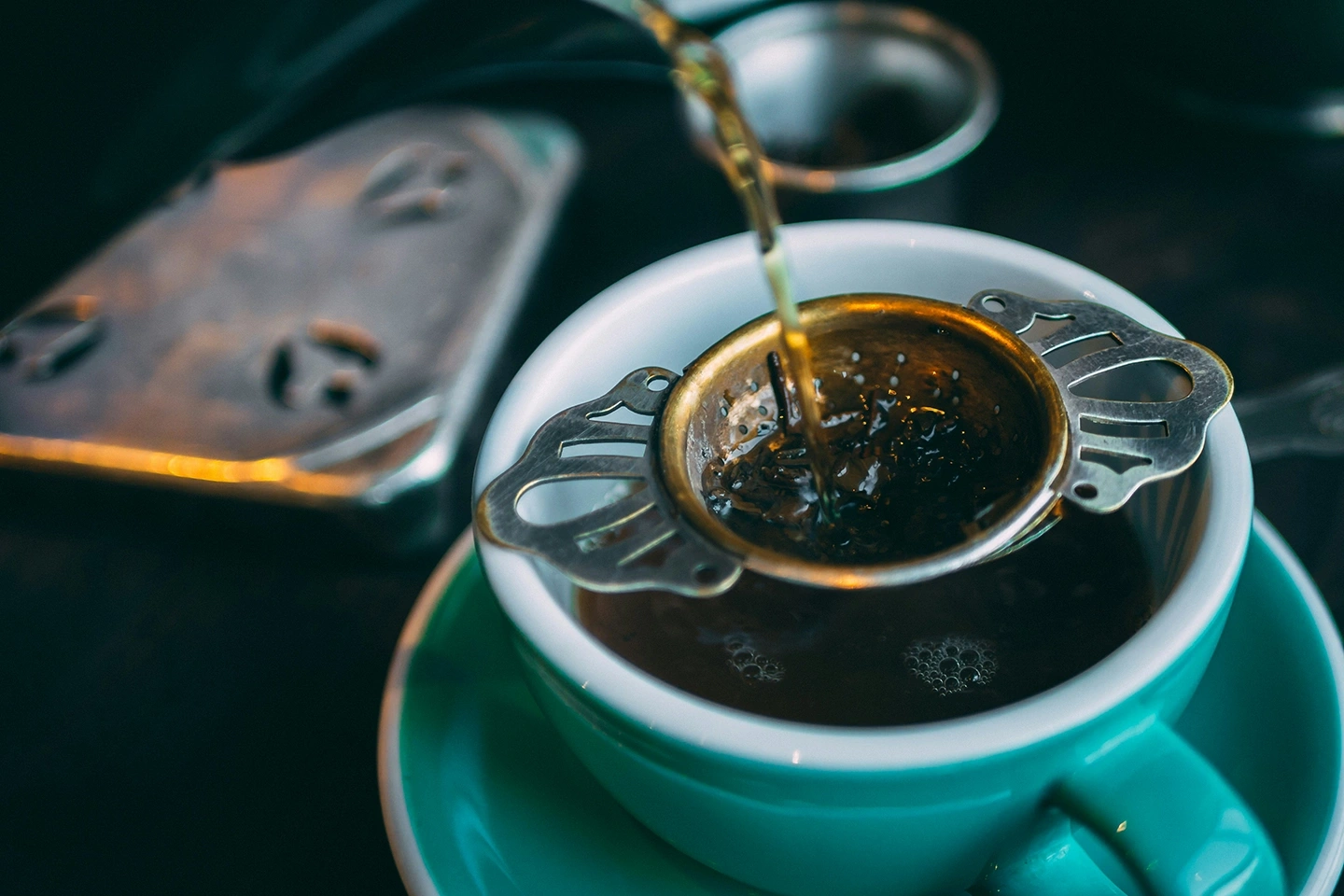
Once we begin to explore the immeasurable world of tea, we start to discover that there are more complex Teas, which bring us other stories and even greater depth. Throughout history, different processes evolved to transform the different tea varietals. The great tea masters deepened this art through innovative processes, experimentation, and the desire to extract the best from each plant.
Special Teas are those loose leaf teas, of high quality that come from small gardens, processed with delicacy and dedication. A cup of a special tea you will remember in your mouth, on your palate, and in the sensation of your entire body as they tend to be teas with a particular and unique energy. You can find special white, green, black, oolong and dark teas.
The following ancient poem written by a great Tea sage, Lu Tong, in the ninth century, can be a great reference to feel a Special Tea.
Seven Cups of Tea (Song of Tea of Yuchuán)
The first cup caresses my throat and my dry lips.
The second breaks my sad solitude.
The third seeks the dry streams of my soul to find the tales of the five thousand scrolls.
With the fourth, the pain of past injustices disappears through my pores.
The fifth purifies my flesh and my bones.
With the sixth I come into contact with the immortals.
The seventh gives me a pleasure such that it is almost irresistible.
The cool wind blows through my wings, as I make my way towards Penglai.
Lu Tong (795-853)
Oolong, sometimes also called Blue Tea, is a form of semi-oxidized tea. That is, there are oolongs that tend to be greener, with very little exposure to oxidation, and others that are more roasted and oxidized. They encompass a very wide range of complex processes and sensory notes. They are also teas that require concentration and dedication when preparing, as a great Oolong can give us up to 12 or 15 infusions.
We call Dark Tea those types of tea that have gone through a fermentation or post-fermentation process. We can also find them on the market as Pu-erh. Properly, Pu-erh is a region in southwestern China, known for processing these types of tea. But it is a very broad category. In addition to the transformation process with microorganisms, it is also characterized by an aging time.