Thousands of years ago resins and barks were very important and difficult to obtain. They say that the resins that burn are like drops of crystallized sun, and it is that it is ancestral vitality concentrated for years in the sap and bark of trees. These resins and barks had a very high medicinal value as they were antibiotic and part of rituals. They were also the most important offerings. Let us remember that the three wise men, the three sages who visit Jesus at his birth bring him incense and myrrh.
One of the first perfumes was incense. In fact, the word perfume comes through smoke, or by smoke.
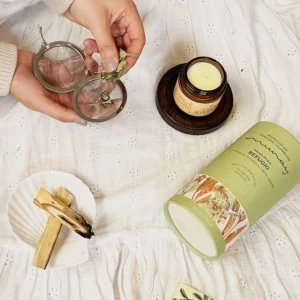
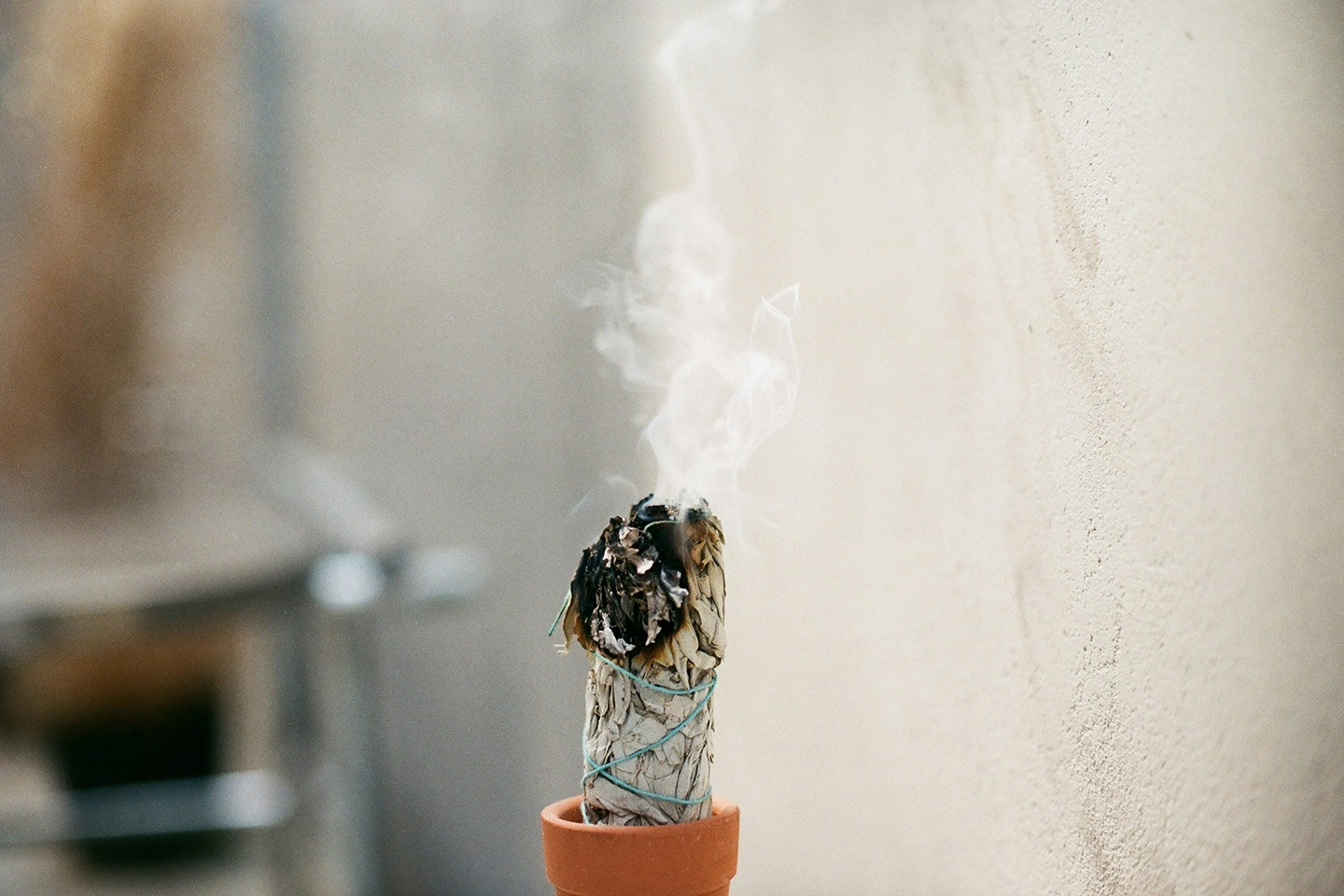
Sacred smokes can come from incense burners, pressed plants, bundles of dehydrated plants, woods, these have the following properties.
Unfortunately, nowadays many incenses and candles contain chemical components that are toxic and can cause respiratory damage, allergies, hormonal imbalances, cancer… the opposite of their traditional uses.
Always look for plants and barks whose origin you know and that come from sustainable agriculture.